
The Hidden Cost of Out-of-Tolerance Instruments
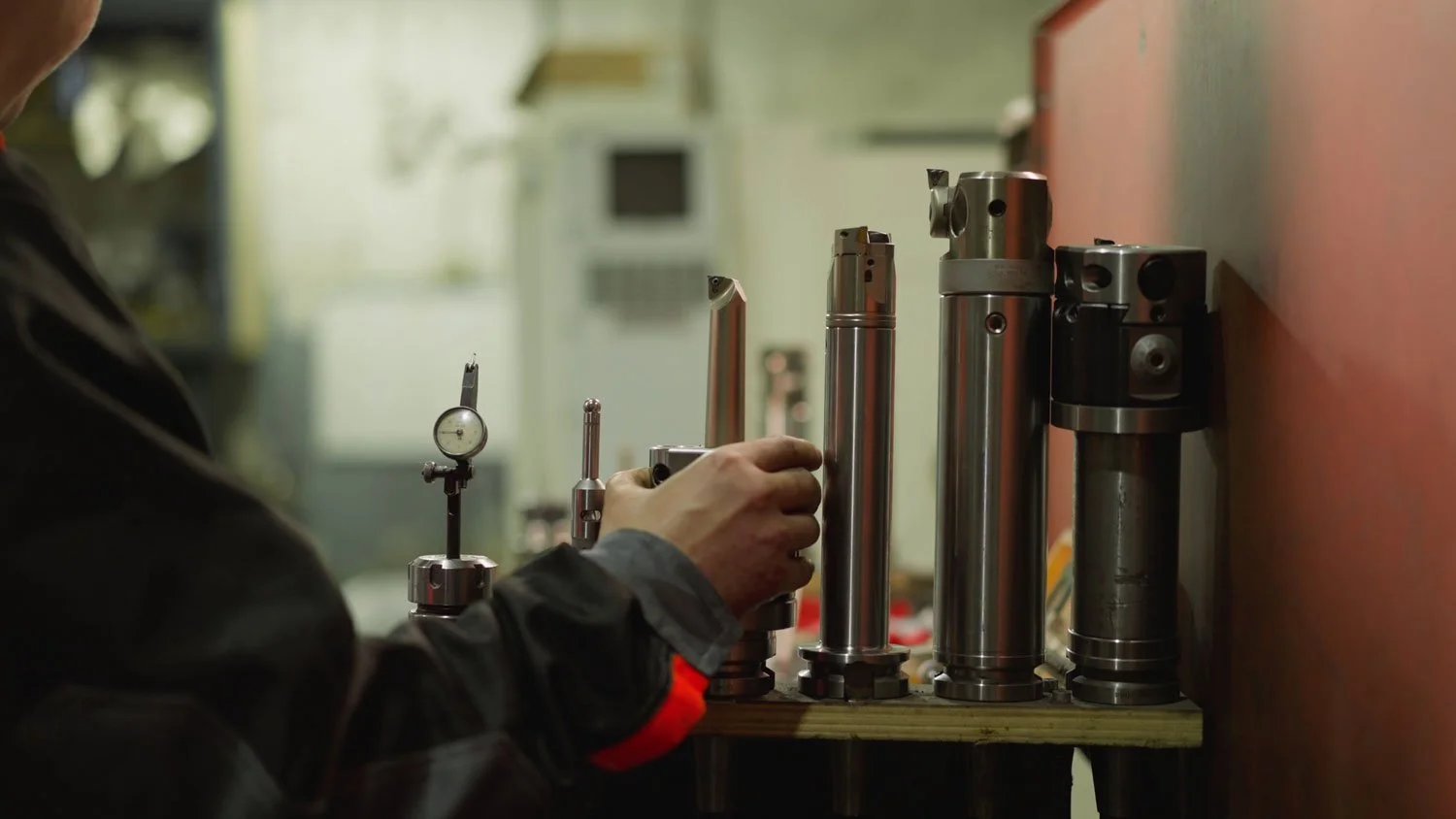
Precision inspection and calibration processes help ensure measurement accuracy and product quality.
When a tool drifts out of tolerance, many people think of it as a minor inconvenience. Maybe it slows production or throws off a single reading. In reality, the consequences run much deeper. Out-of-tolerance instruments can trigger quality failures, safety incidents, unexpected costs and long-term damage to a company’s reputation.
Whether you work in aerospace, manufacturing, medical production, research or any other precision-driven environment, every measurement ties back to trust. When an instrument loses accuracy, every decision that follows is at risk.
Regular calibration is not an expense. It is protection.
1. Recalls and Rework That Multiply Quickly
Even one out-of-tolerance gauge, meter or tool can create a chain reaction. Incorrect measurements lead to incorrect adjustments, which lead to incorrect assemblies or inspections. By the time a problem is discovered, the impact often spreads across dozens or hundreds of parts.
This can result in:
Costly rework
Scrap and wasted materials
Delayed shipments
Full product recalls
One inaccurate reading can escalate into a very expensive problem.
2. Damage to Brand and Reputation
When an out-of-tolerance instrument produces bad data, the quality issues that follow can quickly turn into a credibility problem. Customers expect consistency and reliability, and even a single failure can raise doubts about the systems, oversight and attention to detail behind your work. Once that confidence is shaken, it is difficult to regain, especially in industries that depend on precision.
There is also the risk of being viewed as negligent if an audit, investigation or customer review uncovers that inaccurate tools were used. Even if the mistake was unintentional, the perception of weak quality control can cause long-term harm. Lost trust often leads to fewer repeat orders, strained partnerships and a reputation that takes far longer to repair than to protect.
3. FAA and Regulatory Consequences
In aviation and other regulated industries, out-of-tolerance instruments present serious compliance risks. Tools used for aircraft inspection, maintenance and documentation must meet strict accuracy requirements. If a tool was used while out of tolerance, corrective actions are usually required.
This can include:
Grounded equipment
Re-inspection requirements
Audit findings
Retesting
Penalties or suspended approvals
In these industries, calibration is a safety requirement.
4. Safety Risks for Employees and End Users
Incorrect torque, temperature, pressure or force readings can create unsafe conditions for:
Technicians
Operators
Assembly workers
End users
Potential risks include:
Over-pressurization
Structural failures
Incorrect fastening or assembly
Electrical hazards
Accurate instruments protect people first.
5. Unplanned Downtime and Missed Deadlines
If an out-of-tolerance condition is discovered during an audit or routine check, production often stops until the error is resolved. This unplanned downtime disrupts schedules, workflows and customer timelines.
A consistent calibration program prevents costly interruptions.
6. Loss of Traceability During Audits
Many industries require full traceability for all measurements. Out-of-tolerance instruments break that chain of trust. During an audit, if a tool is found to have been used outside its calibration window, every measurement from that tool becomes questionable.
This may lead to:
Non-conformance reports
Additional inspections
Required re-verification
Delays in approvals
Proper calibration records keep audits clean and predictable.
7. Long-Term Problems That Are Hard to Predict
Some effects of poor measurement accuracy do not appear right away. These may include:
Progressive machine wear
Warranty claims years later
Field failures
Gradual loss of efficiency
Calibration prevents small deviations from turning into long-term consequences.
Protecting Your Operation with Accurate Tools
A dependable calibration program keeps instruments accurate, documented, and ready for use. Partnering with a lab that provides traceable standards, clear uncertainty data, and fast turnaround times ensures tools return ready for work.
Tool Testing Lab calibrates thousands of instruments every month using ISO 17025 accredited methods and detailed As Found and As Left reporting. Accurate tools protect your products, your people and your reputation.
Request a quote today to keep your equipment performing the way it should.
