
On October 15, Tool Testing Lab CEO Marty Thomas attended the fifth annual National Advanced Air Mobility Industry Forum (NAAMIF), hosted by NAAMCE at Springfield-Beckley Municipal Airport in Springfield, Ohio. Just a short drive from our lab in Tipp City, the forum kicked off NAAMCE Aviation Weekend, which brought together industry leaders for panel discussions, interactive workshops, flight demonstrations, and opportunities for local STEM students to explore aviation careers.
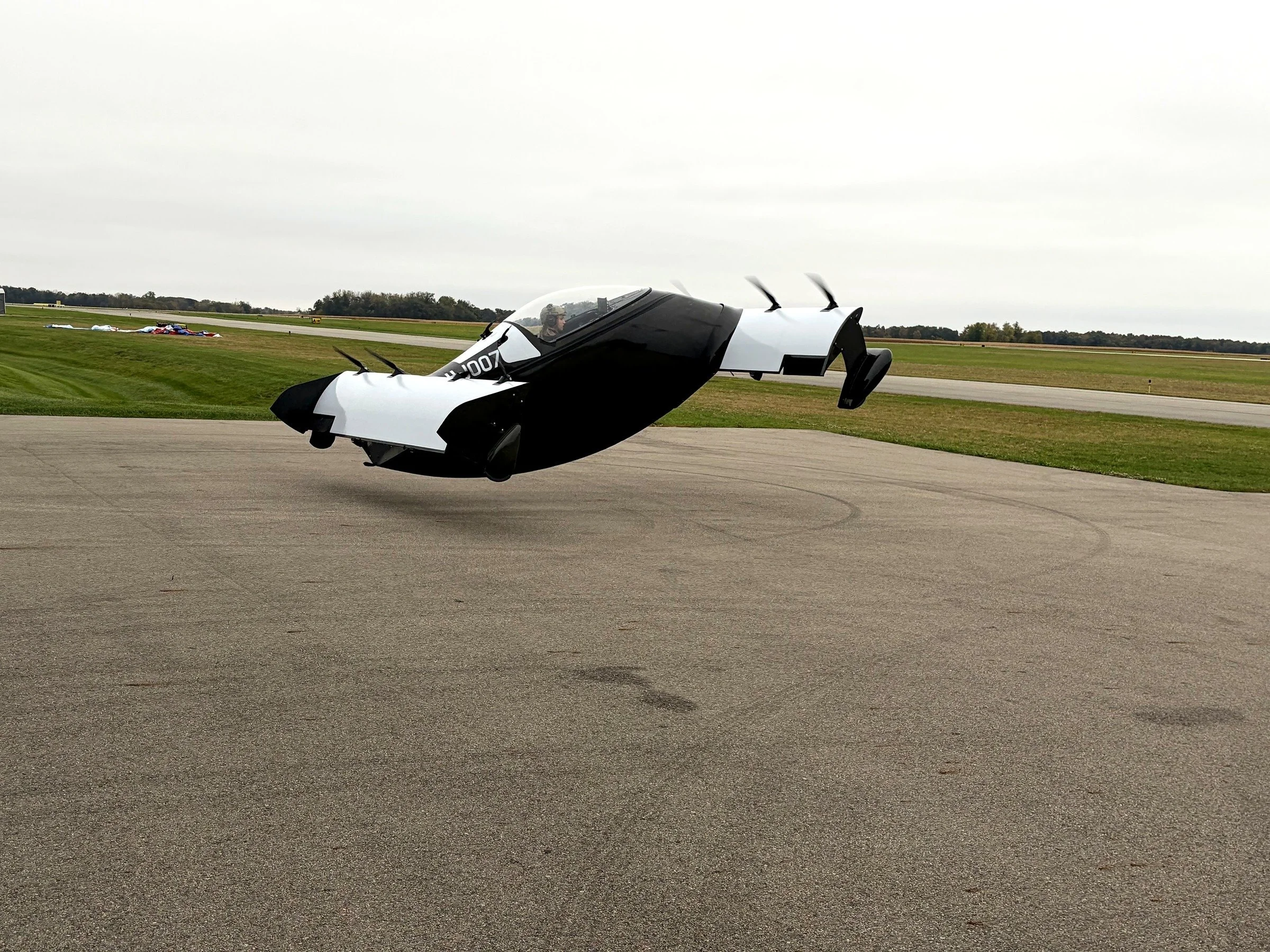
A single-seat eVTOL lifts off at NAAMIF 2026 in Springfield, Ohio.
A single-seat eVTOL lifted off the ramp, bringing NAAMIF’s commitment to “help define what the next chapter of advanced air mobility looks like” to life.
“I feel honored that the State of Ohio and the Dayton region continue to lead the way with aviation advancement,” Marty said after the event, echoing NAAMIF’s focus on moving advanced air mobility from flight test to production.
Dayton’s Enduring Aviation Legacy
These conversations reflect a larger story happening in the Dayton area, where our founder, Ted Bowden, set up shop in 1988. We’re always mindful that our home has been part of aviation’s development for more than a century.
A brief timeline of Dayton aviation: from first flight to eVTOL
1903: Dayton’s Wright brothers make the first successful controlled, powered flights at Kitty Hawk, North Carolina.
1904 to 1905: At Huffman Prairie, just outside Dayton, they refine the craft and develop the world’s first practical airplane.
1910: The Wright Company opens its airplane factory in Dayton.
1917: McCook Field and Wilbur Wright Field establish Dayton as a center for aviation engineering and training.
1927: Wright Field opens.
1948: Wright and Patterson fields merge on January 13 to create Wright-Patterson Air Force Base.
1988: Tool Testing Lab opens in the Dayton area and grows alongside the region’s aviation industry.
2025 to 2026: Joby begins manufacturing propeller blades in Dayton, then announces plans to acquire a second Ohio facility.
2026: Tool Testing Lab launches its locally manufactured thermocouple line for accurate temperature measurement in aviation and other demanding applications.
Dayton’s Next Chapter: eVTOL and Advanced Air Mobility
Dayton’s aviation industry continues to evolve with the development of electric vertical takeoff and landing (eVTOL) aircraft and other advanced air mobility technologies.
These developments bring new opportunities for the region, but they also make it more important for manufacturers to get the right equipment and keep it in spec as production scales.
Those challenges drove many of the conversations at NAAMIF. We learned how manufacturers are working to scale production and manage supply chains.
Keeping pace with those changes means understanding not only the technology being developed, but also the equipment and services customers need to build, test, and maintain it.
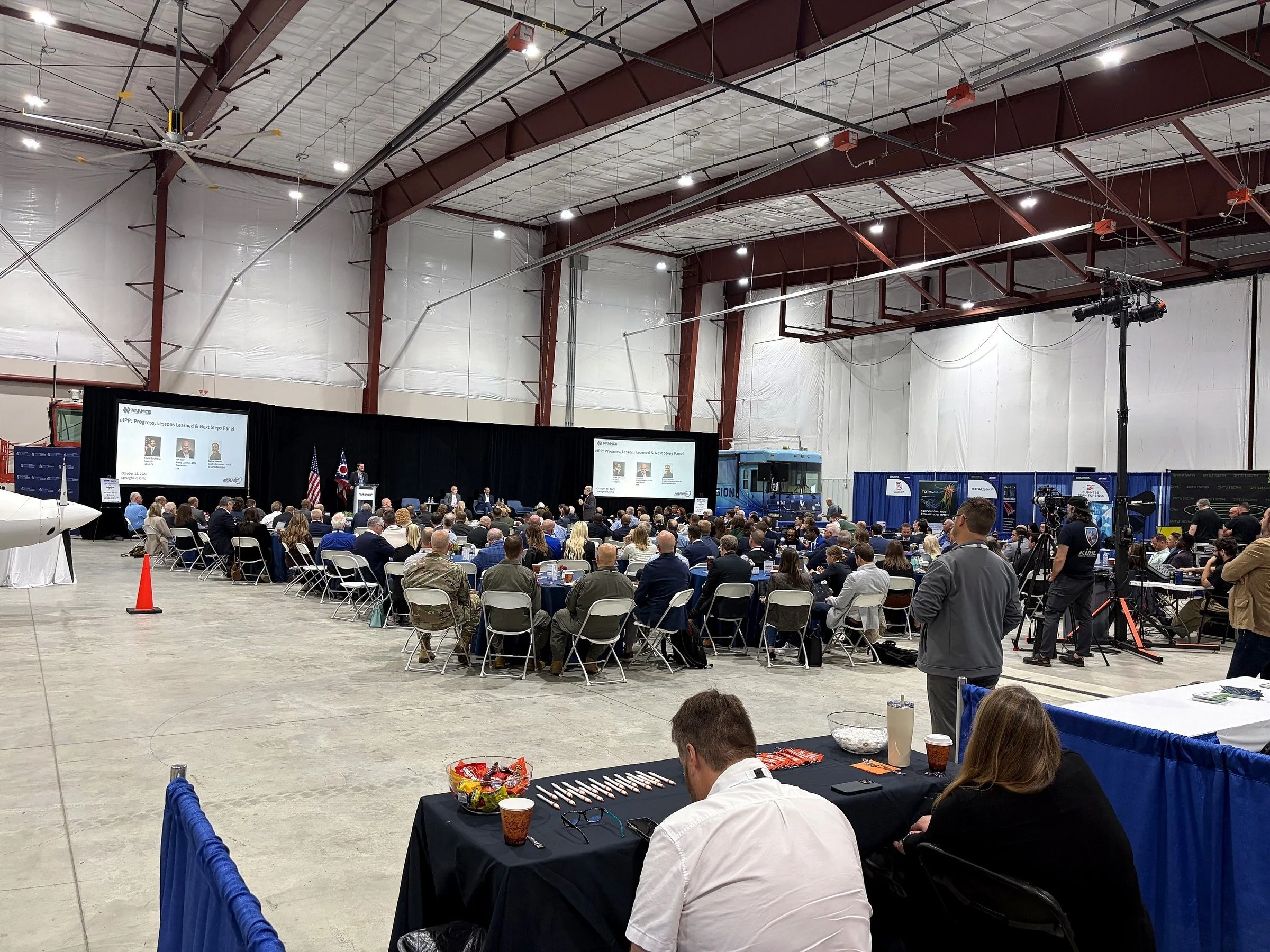
Industry panels filled the hangar at NAAMIF 2026.
How Tool Testing Lab Helps
One way Tool Testing Lab addresses these challenges is by manufacturing essential equipment in-house so we have more control over availability and avoid supply chain delays. It’s one of the many ways “we don’t give you time to miss your tools.”
Our line of thermocouples is a good example. We manufacture them in our Tipp City lab for accurate temperature measurement in demanding applications including batteries, motors, and other aircraft components. (Request a quote for them here.)
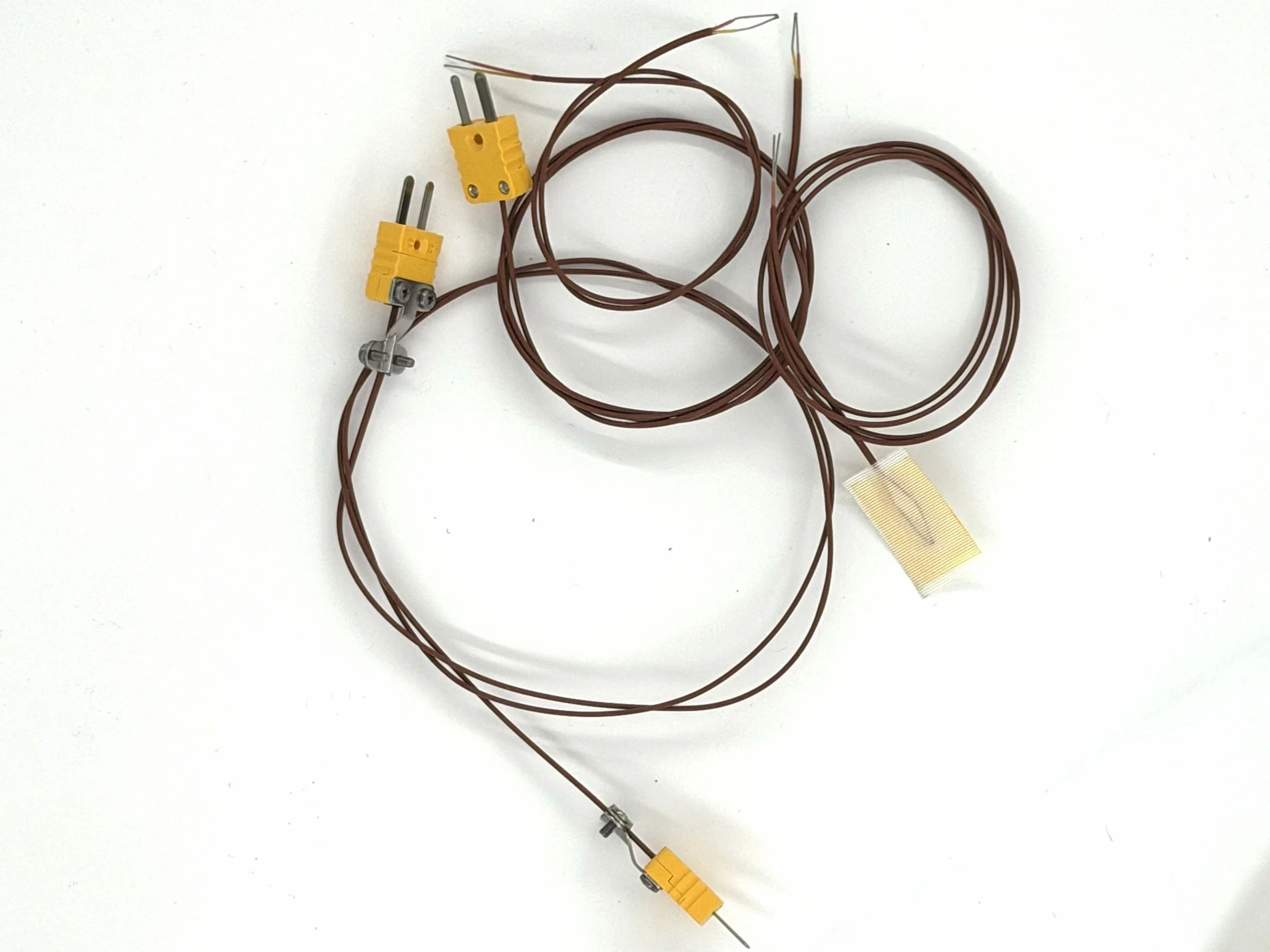
Thermocouples from our new line, made in our Tipp City lab.
Quick Tip: Do thermocouples need to be calibrated? Yes, regular calibration helps engineers and testing teams verify that temperature readings remain accurate under different operating conditions. Our temperature calibration services have you covered.
Do Electric Aircraft Need Different Calibration?
Traditional aircraft and newer electric aircraft have many of the same testing and measurement needs. Both depend on reliable instruments and accurate measurements to support manufacturing, maintenance, and quality control.
The difference is in some of the technologies being tested and the conditions they must withstand.
For example, temperature measurement is important in both conventional and electric aircraft. Traditional aircraft may require monitoring of engine and exhaust temperatures, while electric aircraft introduce additional testing needs involving batteries, electric motors, and power electronics.
Temperature calibration also supports instruments such as:
Thermocouple thermometers
Temperature probes
Thermocouple calibrators
Electrical testing and calibration is another important area. All aircraft rely on electrical systems, but electric propulsion places extra emphasis on measuring electrical power and performance. Power analyzers and other electrical test instruments help engineers evaluate electrical systems and components. Those instruments also need calibration to verify that their measurements remain reliable.
Electrical calibration also supports equipment such as:
Power measurement systems
EGT system testers
Turbine temperature testers
CHT testers
Prop tachometers
TTL’s services support traditional aircraft manufacturers, electric aircraft developers, maintenance teams, and other industrial customers that rely on accurate measurements. See our full capabilities page.
TTL and Dayton Aviation Continue to Grow
Just as Dayton’s aviation industry has evolved since the Wright brothers’ early experiments, TTL has grown alongside the industries it serves. Today, we have nearly 100 employees and specialized technicians. They work across seven departments, plus a mobile team that brings calibration services directly to qualifying customer locations.
Whether you have temperature, electrical, avionics, or other measurement equipment that needs calibration, our ISO/IEC 17025:2017 accredited lab ensures accurate and consistent calibration work. All while averaging under 5 business days turn time.
Request a quote to get started.